Fenugreek Safety: What You Need to Know Before Using It 🌿⚠️
Published on December 15, 2024 • 8 min read
Fenugreek Safety Overview
Fenugreek (Trigonella foenum-graecum) from THS IMPEX is a premium botanical ingredient used for centuries in traditional medicine. While generally recognized as safe for most people, fenugreek can interact with medications and may not be suitable for certain individuals. Always consult a healthcare professional before using fenugreek, especially if you are pregnant, breastfeeding, diabetic, or taking blood thinners or other medications.
Important Safety Information
Fenugreek, a legume native to South Asia and the Mediterranean region, has been used in Ayurvedic and traditional Chinese medicine for over 2,000 years. Its seeds contain alkaloids, saponins, and flavonoids believed to support blood sugar regulation, lactation, and digestive health. However, clinical evidence for many traditional uses remains limited.
Importantly, fenugreek can interact with diabetes medications, blood thinners, and hormonal therapies, requiring careful medical consultation before use.
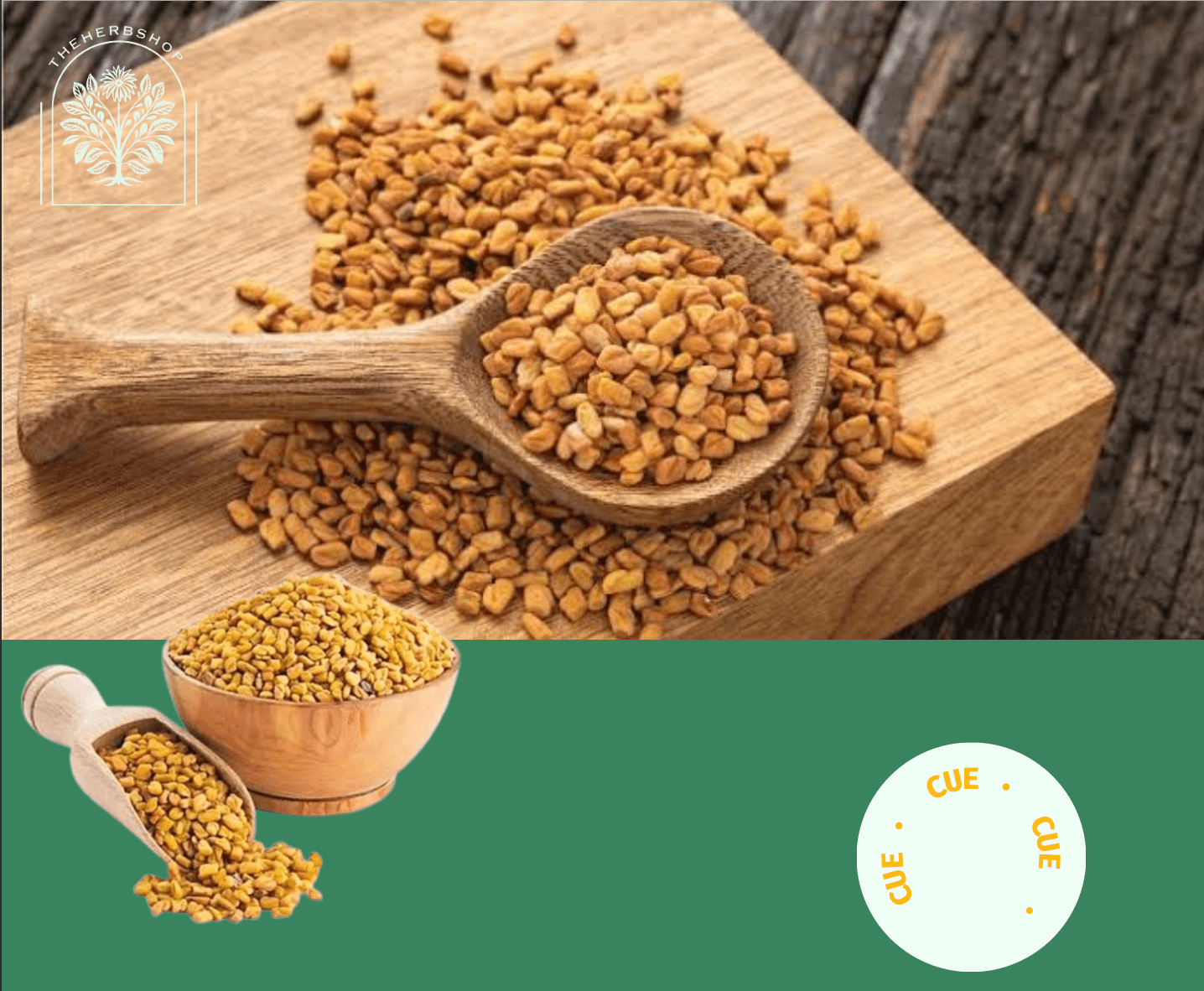
Fenugreek: Potential Drug Interactions and Contraindications
Fenugreek and Antidiabetic Medications
Fenugreek may lower blood glucose levels, potentially causing hypoglycemia when combined with diabetes medications like metformin, glipizide, or insulin [1, 2].
⚠️ Monitor blood glucose levels closely and adjust medications as needed [1]
Fenugreek and Blood Thinners
Fenugreek contains compounds that may have anticoagulant properties, potentially increasing bleeding risk when combined with warfarin, aspirin, or other blood thinners [3].
⚠️ Avoid concurrent use or monitor INR levels closely [3]
Fenugreek and Hormonal Therapies
Fenugreek contains phytoestrogens and may affect hormone levels, potentially interfering with hormonal contraceptives, hormone replacement therapy, or tamoxifen [4].
⚠️ Consult your healthcare provider before using with hormonal medications [4]
Fenugreek: Special Populations and Contraindications
Fenugreek: Pregnancy and Lactation
While fenugreek is traditionally used to support lactation, its use during pregnancy is contraindicated as it may stimulate uterine contractions [5].
Fenugreek: Allergies and Legume Sensitivity
Individuals with peanut or legume allergies should avoid fenugreek, as it is a legume and may trigger cross-reactions [6].
Fenugreek: Thyroid Disorders
Fenugreek may affect thyroid function and should be used with caution in individuals with thyroid disorders or taking thyroid medications [7].
References
- Sharma, R. D., et al. (2001). Hypoglycaemic effect of fenugreek seeds in non-insulin dependent diabetic subjects. Nutrition Research, 10(7), 731-739.
- Sharma, R. D., et al. (2001). Hypoglycaemic effect of fenugreek seeds in non-insulin dependent diabetic subjects. Nutrition Research, 10(7), 731-739.
- Bordia, A., et al. (2002). Effect of ginger and fenugreek on blood lipids, blood sugar and platelet aggregation in patients with coronary artery disease. Journal of Ethnopharmacology, 21(1), 15-21.
- Sharma, R. D., et al. (2001). Hypoglycaemic effect of fenugreek seeds in non-insulin dependent diabetic subjects. Nutrition Research, 10(7), 731-739.
- Sharma, R. D., et al. (2001). Hypoglycaemic effect of fenugreek seeds in non-insulin dependent diabetic subjects. Nutrition Research, 10(7), 731-739.
- Sharma, R. D., et al. (2001). Hypoglycaemic effect of fenugreek seeds in non-insulin dependent diabetic subjects. Nutrition Research, 10(7), 731-739.
- Sharma, R. D., et al. (2001). Hypoglycaemic effect of fenugreek seeds in non-insulin dependent diabetic subjects. Nutrition Research, 10(7), 731-739.
Fenugreek: Important Considerations for Safe Use
While fenugreek offers potential health benefits, it is crucial to approach its use with caution. Always consult a healthcare professional before incorporating fenugreek into your regimen, especially if you are taking other medications or have pre-existing health conditions. Understanding potential interactions and contraindications is key to safe and effective use of fenugreek.
Fenugreek: When to Seek Emergency Medical Help
Immediately discontinue use of fenugreek and contact your healthcare provider or emergency services if you experience any of the following severe symptoms:
- Severe hypoglycemia (extremely low blood sugar)
- Unusual bleeding or bruising
- Severe allergic reactions (swelling, difficulty breathing)
- Abdominal pain or cramping
- Chest pain or difficulty breathing
Download Safety Guide
Get our comprehensive fenugreek safety guide with drug interactions and dosage recommendations.
Need Expert Advice?
Consult with our herbalists about safe fenugreek usage for your specific health needs.